PREMIUM ZIRCONIA · LIFETIME-GRADE
Zirconia full-arch implants
- Solid monolithic zirconia — harder and more stain-resistant than acrylic
- Fixed in the bone — doesn't come out like a denture
- Closer to natural enamel in appearance, holds up over years



What Are Zirconia Full Arch Implants?
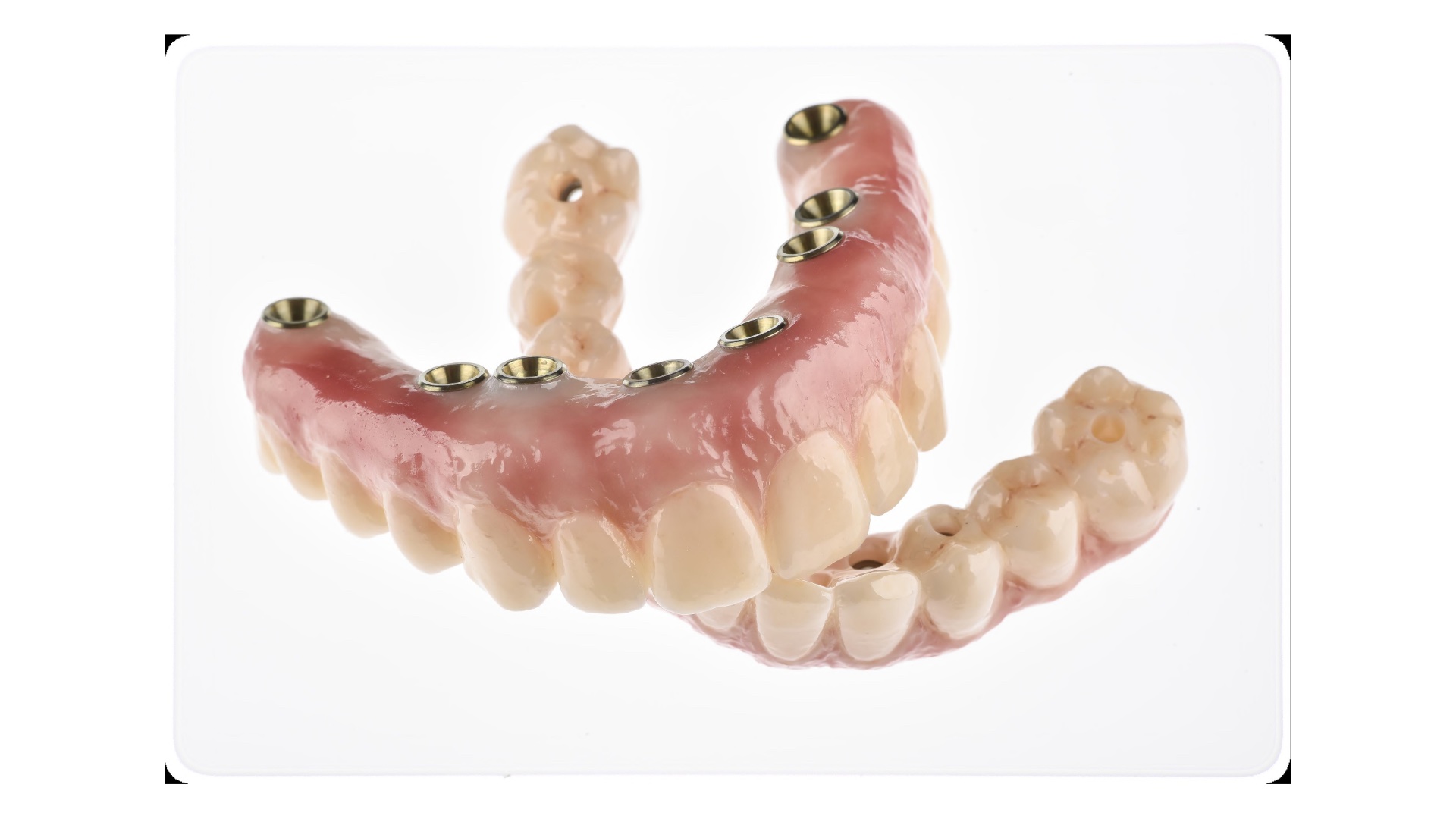
A full set of fixed teeth — milled from solid zirconia ceramic, anchored to the jaw by implants. Replaces a failing dentition or a denture with something that doesn’t come out.
- Harder than acrylic — resists chipping under heavy bite force
- Doesn’t stain from coffee, tea, or red wine the way acrylic does
- Closer to natural tooth structure than the acrylic that dominated for decades
At Westlake, monolithic zirconia is the most commonly placed final restoration for full-arch cases.
Why Zirconia: Strength, Aesthetics, and Long-Term Durability
Strength, appearance, and longevity — they're connected.
Three reasons patients choose zirconia over acrylic for the final arch — strength, appearance, longevity.
- Strength. Resists fracture under daily chewing forces. Matters most for heavy bites and grinders.
- Appearance. Mills with translucency that mimics natural enamel. No flat, plastic-looking quality acrylic can develop.
- Stain resistance. Acrylic absorbs pigment over time. Zirconia stays essentially unchanged a decade in.
- Long-term. Same material proven in zirconia crowns for decades. Higher up-front cost; better value over years.
The honest qualifier: zirconia costs more and is less easy to adjust chairside. Dr. Tarek discusses both at the consult and helps you decide what fits your goals and budget.
Zirconia vs. Acrylic Full Arch: The Material Decision
What Makes Zirconia Different?
Zirconia is harder than acrylic and doesn’t absorb pigment from coffee, tea, or red wine the way acrylic can. Monolithic structure means it’s milled from a single block of ceramic — no layering, no bonding between components to worry about. It holds up under repeated bite force in ways acrylic doesn’t, which is why at Westlake we place monolithic zirconia as the final restoration on most full-arch cases.
The direct comparison
This is the question most patients come here to answer. A direct comparison:
Durability. Zirconia is significantly harder and more fracture-resistant than acrylic. Acrylic can chip or develop micro-fractures over years; zirconia typically doesn’t.
Staining. Acrylic stains with coffee, tea, and red wine over time. Zirconia doesn’t absorb pigment at the same rate.
Appearance over time. Acrylic can look worn or flat after several years. Zirconia holds its optical quality longer.
Adjustability. Acrylic’s advantage — easier to adjust chairside. Zirconia is harder to modify after milling; significant changes require remaking the arch. Getting the bite right during planning is especially important for zirconia.
Cost. Zirconia costs more than acrylic. Dr. Tarek gives you both numbers at the consult.
Who zirconia is for: patients planning to keep their implants for many years who want the most durable, natural-looking result with the least maintenance; patients with heavier bite loads or a grinding history (with a nightguard plan).
Who acrylic may suit: patients staging the investment — the temporary arch is acrylic, and some use that phase to save toward a zirconia final arch.
- Durability — zirconia significantly harder, fracture-resistant
- Staining — zirconia resists pigment; acrylic absorbs it
- Adjustability — acrylic easier chairside; plan zirconia bite carefully
- Cost — zirconia higher up-front, better long-term value
The Zirconia Placement Process at Westlake Dental
Zirconia full-arch treatment follows the same implant sequence as any full-arch case — what changes is the final restoration.
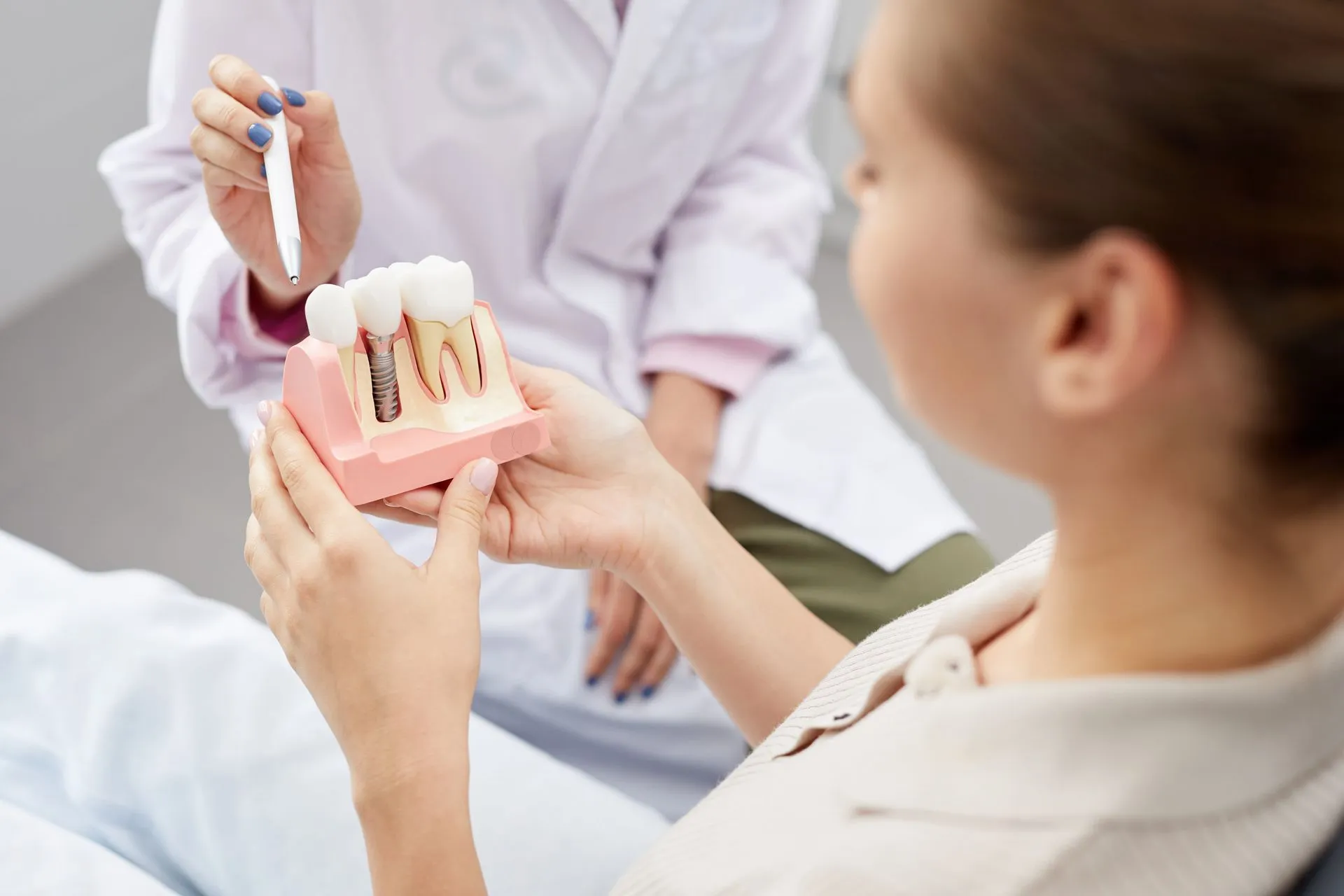
1. Consultation and 3D planning. Dr. Tarek scans your bone, reviews your case, and discusses which material fits.
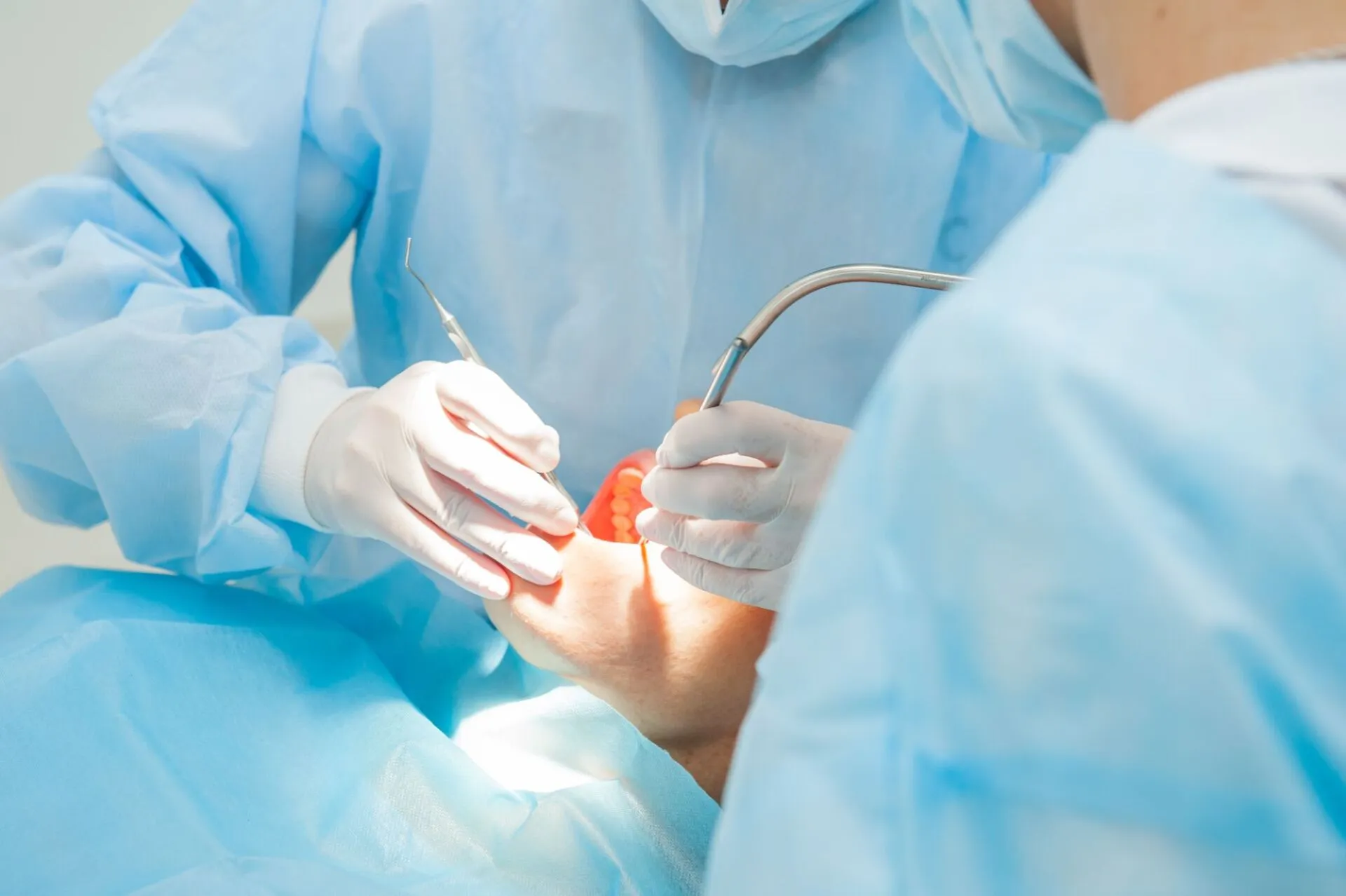
2. Surgery. Implants are placed (typically four to six, depending on your case). A fixed acrylic temporary arch is usually seated the same day. You leave with teeth.
3. Healing. The implants integrate with the bone over the following months while you function on the temporary arch.
4. Final zirconia arch. Once integration is confirmed, scans are taken and a custom zirconia arch is milled and seated. Dr. Tarek checks fit and bite precisely — adjustments are harder after the fact with zirconia.
About the implant systems. Dr. Tarek works with TRI (Swiss-made, no separate abutment component), BioHorizons (American-made; the only system with Laser-Lok technology, which promotes soft-tissue attachment directly to the implant surface), and Nobel Pearl (all-ceramic; suited for patients with a thin tissue type). He selects the right system for your anatomy — the zirconia final arch is planned to work with, not just sit on top of, the implants beneath it. Actual timeline depends on your specific case.
- Anesthesia. To start the process, you will be put under anesthesia. This is so that you will not feel any pain throughout the procedure, and can lay comfortably without being anxious.
- Teeth removal. Some patients will already have their teeth missing. However, for those individuals that need a few teeth removed before the implants can be put in, this is the next step.
- The incision. An incision will now be made where the titanium alloy screws will go. Typically, a dentist will put two screws in the front of the mouth, and 2 screws (1 on each side) in the back. This guarantees good stability.
- Screwing the implants in. The screws will then be put into their appropriate spot. Here, they will begin to fuse with your jawbone over the span of a couple of months.
- Crown implementation. Once the healing process has come to an end, your dentist will put on permanent, porcelain crowns. This will cover up the titanium alloy rods and look similar to your natural teeth! When it comes to all-on-4 treatment, many crowns may be connected and all supported by a single titanium alloy rod.
Zirconia Full Arch Cost — What to Expect
Zirconia is the premium material option for a full-arch final restoration, and the cost reflects that. The most practical way to think about it is over the life of the restoration: acrylic final arches typically need replacement or refurbishment after several years; zirconia holds its form and appearance much longer. Patients keeping implants a decade or more usually find zirconia more cost-efficient across the full timeline.
Warranty. Full-arch implant work at Westlake carries a 5-year warranty covering material failure. It applies to patients who attend the recommended 6-month Care & Cleaning visits. It does not extend to patients who smoke, patients with uncontrolled diabetes, or patients who miss the recommended follow-up schedule. Starting-at pricing for the zirconia final arch is shared at your consultation.
Monthly payment plans and major financing partners are available. Full financing breakdown: Dental Implant Financing at Westlake Dental.
Estimates vary; we provide a detailed quote after assessment. Westlake Dental · Sterling, VA · Free consult.
Zirconia Full Arch Implant Questions, Answered
For patients currently in acrylic — a removable denture or a temporary acrylic arch — yes, the difference is substantial. Zirconia is significantly harder and more fracture-resistant than acrylic. For patients upgrading from an existing full-arch acrylic restoration, the difference in feel and durability is typically noticeable.
Zirconia can be milled with translucency and surface characteristics that closely resemble natural enamel. Many patients find it looks more natural than acrylic, particularly over time. Aesthetics depend on the fabrication and how well the arch is planned to suit the patient's face and bite. Dr. Tarek discusses what the outcome should look like before anything is made. Results vary based on individual factors.
Zirconia full-arch bridges are designed to be long-lasting. The material itself doesn't wear, stain, or degrade the way acrylic does. Clinical outcomes data suggests zirconia restorations hold up well over many years with proper maintenance. What varies is the stability of the implants beneath, which depends on bone health, bite management, and regular follow-up. Results vary based on individual factors; Dr. Tarek gives you a realistic expectation at the consult.
Yes. Many patients do exactly this: the temporary arch placed on surgery day is acrylic, and the final arch can be zirconia. Some decide between acrylic and zirconia during the healing period once they've seen and felt the temporary. The final material choice is made before the final arch is milled.
This page focuses on the zirconia material decision — strength, aesthetics, longevity, and how it compares to acrylic. The full-arch implant page covers the broader treatment decision: All-on-4 vs. All-on-X, candidacy, procedure, timeline, and financing. If you're still deciding whether full-arch implants are right for you, start there. If you've decided on full-arch and you're researching the best final-arch material, this page is the right one.
I’ve had excellent care for years. Dr. T is great at explaining everything, making it less stressful, and making sure you feel comfortable. Everyone is friendly and service is prompt. I would recommend Westlake Dental Care to anyone.
– Margie W.
Potomac Falls, VA
Book a Zirconia Consultation in Sterling, VA
Dr. Tarek walks through zirconia vs. acrylic with real numbers. No scripts. Straight answers.
OUR BLOG
Learn About Dental Health and Our Practice
When it comes to replacing missing teeth, you have several options to consider. Two of the most popular choices are […]
Dental implants have become the go-to solution for replacing missing teeth, offering unparalleled durability, functionality, and aesthetics. However, many patients […]

Dental implants can be a significant investment, so most patients want them to last as long as possible and keep them […]